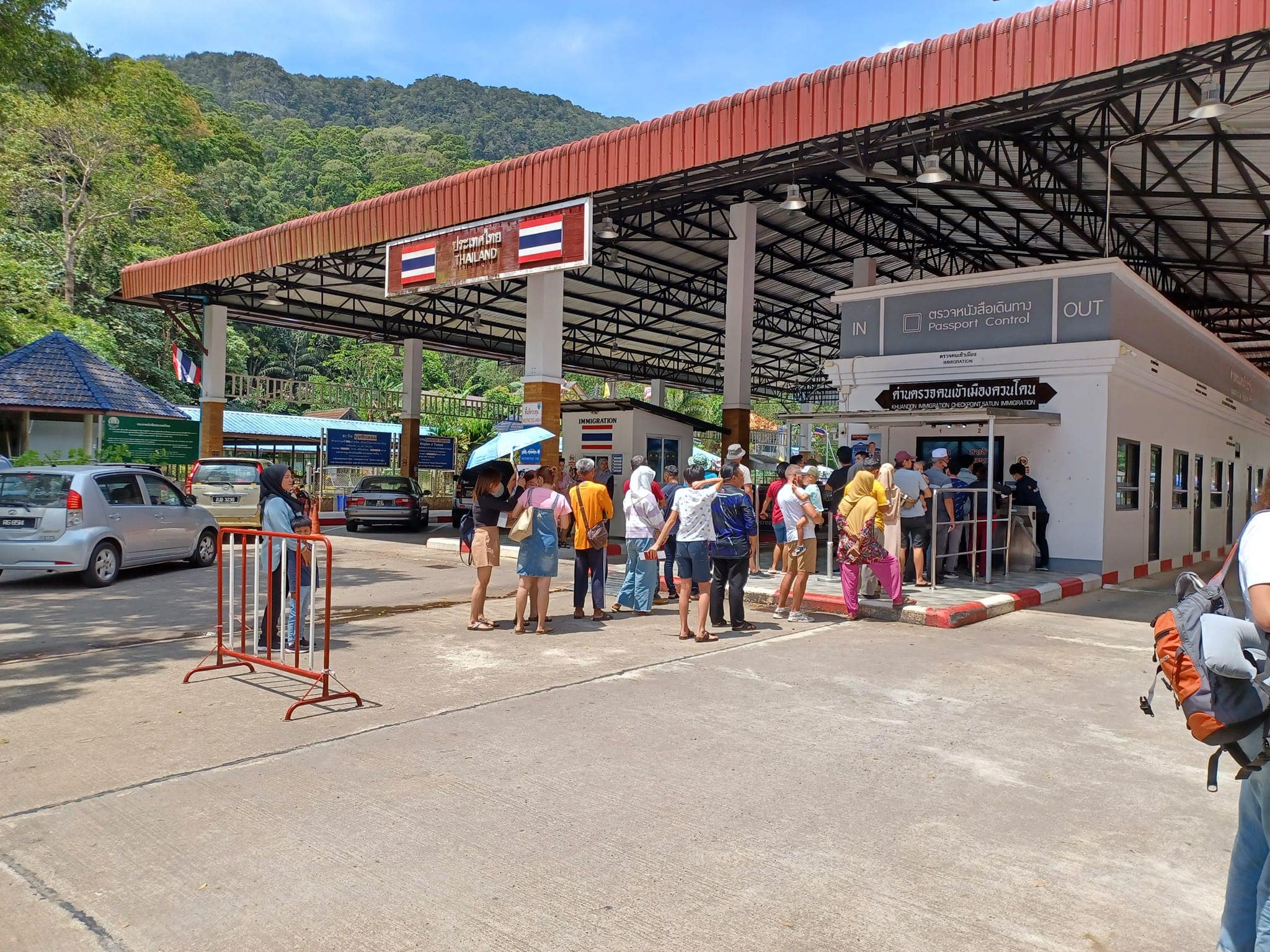
Thailand Visa Guide for UK Citizens in 2026
Moving to Thailand is an exciting idea for many people in the UK, but one of the first major hurdles is understanding visas.
Thailand offers several different visa options depending on:
- how long you plan to stay
- your age
- whether you work remotely
- your financial situation
- your long-term goals
For beginners, the visa system can feel confusing very quickly. Rules change regularly, different websites often give conflicting advice, and many people overcomplicate the process before they even arrive.
The good news is that for most UK citizens, entering Thailand initially is relatively straightforward.
The more important question is:
how do you legally stay long-term?
This guide breaks down the most common visa routes for UK citizens in 2026 in a simple and realistic way.
Visa-Free Entry for UK Citizens
As of 2026, UK passport holders can usually enter Thailand without applying for a visa in advance for short stays.
This is often called:
- visa exemption
or - visa-free entry
The exact number of days permitted can change depending on Thai immigration policies, so it is always important to check official government updates before travelling.
For many people, this route is useful for:
- short visits
- scouting trips
- apartment hunting
- testing whether Thailand suits them long-term
However:
visa-free entry is not a long-term solution.
Tourist Visa
The Tourist Visa is one of the most common starting points for people spending longer periods in Thailand.
It is designed for:
- tourism
- short-term stays
- travel
Many people initially use a tourist visa while:
- exploring different areas
- deciding where to live
- planning longer-term options
Tourist visas are generally relatively simple compared to long-term residency visas.
However:
- they are temporary
- extensions have limits
- immigration rules can change
Tourist visas are best viewed as:
a temporary entry option, not a permanent plan.
Education Visa (ED Visa)
The Education Visa became popular with people wanting to stay in Thailand longer while:
- studying Thai language
- attending approved courses
- learning Muay Thai
- participating in educational programs
For some people, this offers:
- more structure
- longer stays
- legal residency periods
However, Thai immigration has become stricter over the years regarding misuse of education visas.
Anyone considering this route should:
- use legitimate schools
- research carefully
- avoid unofficial shortcuts
Retirement Visa
Thailand remains extremely popular with retirees from the UK.
Retirement visas are typically aimed at people above a minimum age threshold and usually involve:
- financial requirements
- proof of funds
- banking conditions
- insurance requirements
Thailand attracts retirees because it offers:
- warm weather
- lower living costs
- private healthcare
- condominium living
- relaxed lifestyle
For many UK retirees, Thailand can provide a much higher quality of life compared to staying in Britain full-time.
Remote Work and Digital Nomad Reality
One of the biggest modern questions is:
“Can I legally work remotely from Thailand?”
The reality is:
this area can become complicated.
Thailand has shown increasing interest in attracting:
- remote workers
- digital nomads
- online business owners
- skilled foreign residents
But visa rules and work permissions are still evolving.
Many people working online from Thailand operate in a legal grey area depending on:
- where income is generated
- who clients are
- length of stay
- visa type
Because rules change frequently, anyone planning long-term remote work should:
- follow official updates
- seek professional immigration advice where necessary
- avoid assuming information from social media is accurate
Long-Term Resident (LTR) Visa
Thailand has also introduced longer-term visa programs aimed at attracting:
- skilled professionals
- investors
- high-income foreigners
- remote workers
These programs are generally aimed at people with:
- stronger finances
- higher incomes
- professional backgrounds
For some people, these visas offer more stability and fewer immigration headaches long-term.
However, they are not suitable for everyone and often involve higher qualification requirements.
Border Runs and Visa Runs
Years ago, many people relied heavily on:
- border runs
- repeated tourist entries
- short exits and re-entries
Thailand has become stricter on this approach over time.
While some people still move between countries temporarily, relying on repeated visa runs long-term can become risky and unpredictable.
If you are serious about building a life in Thailand, having a proper long-term visa strategy is far safer.
Healthcare and Insurance Requirements
Certain Thai visa types now involve:
- health insurance requirements
- proof of coverage
- financial evidence
Private healthcare in Thailand is generally excellent, especially in:
- Bangkok
- Chiang Mai
- Phuket
However, insurance rules vary depending on:
- visa type
- age
- immigration policies
It is important to research the latest official requirements before applying.
Common Mistakes People Make
One of the biggest mistakes people make is trying to solve every visa problem before ever arriving in Thailand.
For many people, the smarter approach is:
- visit Thailand first
- explore different areas
- understand the lifestyle
- then build a longer-term plan
Other common mistakes include:
- relying entirely on YouTube advice
- misunderstanding work permissions
- using unofficial visa agents
- assuming rules never change
Thai immigration policies evolve regularly, so flexibility is important.
Is Moving to Thailand Difficult?
The visa process can feel intimidating initially, but thousands of people from the UK successfully move to Thailand every year.
The key is:
- staying realistic
- researching properly
- avoiding shortcuts
- understanding your long-term goals
For many people, Thailand remains one of the most accessible and appealing countries in Asia for building a new lifestyle abroad.
Final Thoughts
Thailand offers multiple pathways for UK citizens wanting to spend more time in the country, whether that means:
- short-term travel
- retirement
- remote work
- long-term relocation
The best visa option depends entirely on:
- your finances
- your age
- your work situation
- how long you want to stay
The most important thing is to avoid rushing the process. Visiting Thailand first, understanding the lifestyle, and researching carefully usually leads to far better decisions long-term.