Monthly Food Costs in Thailand in 2026 (Real Budget Breakdown)
Thailand continues to attract thousands of expats, remote workers, and long-term travellers every year, and one of the biggest reasons is affordability. While rent and accommodation usually get the most attention, food costs are one of the areas where many people notice the biggest lifestyle improvement compared to the UK.
For people planning a move abroad, understanding the real monthly food costs in Thailand in 2026 is important because eating habits can massively affect your overall budget.
The good news is that Thailand can still be very affordable when it comes to food — especially if you are comfortable eating local meals regularly.
However, many newcomers are surprised by how quickly costs rise when they rely heavily on imported Western food, premium supermarkets, and constant food deliveries.
This guide breaks down what expats and long-term visitors realistically spend on food in Thailand in 2026.
Average Food Costs in Thailand
Your monthly food budget depends heavily on:
- where you live
- how often you cook
- how often you eat Western food
- your lifestyle habits
- whether you live like a tourist or locally
Approximate monthly food budgets:
| Lifestyle | Estimated Monthly Food Cost |
|---|---|
| Budget Lifestyle | £120–£200 |
| Comfortable Lifestyle | £250–£450 |
| Premium Lifestyle | £600+ |
For many people moving from the UK, food in Thailand still feels significantly cheaper overall.
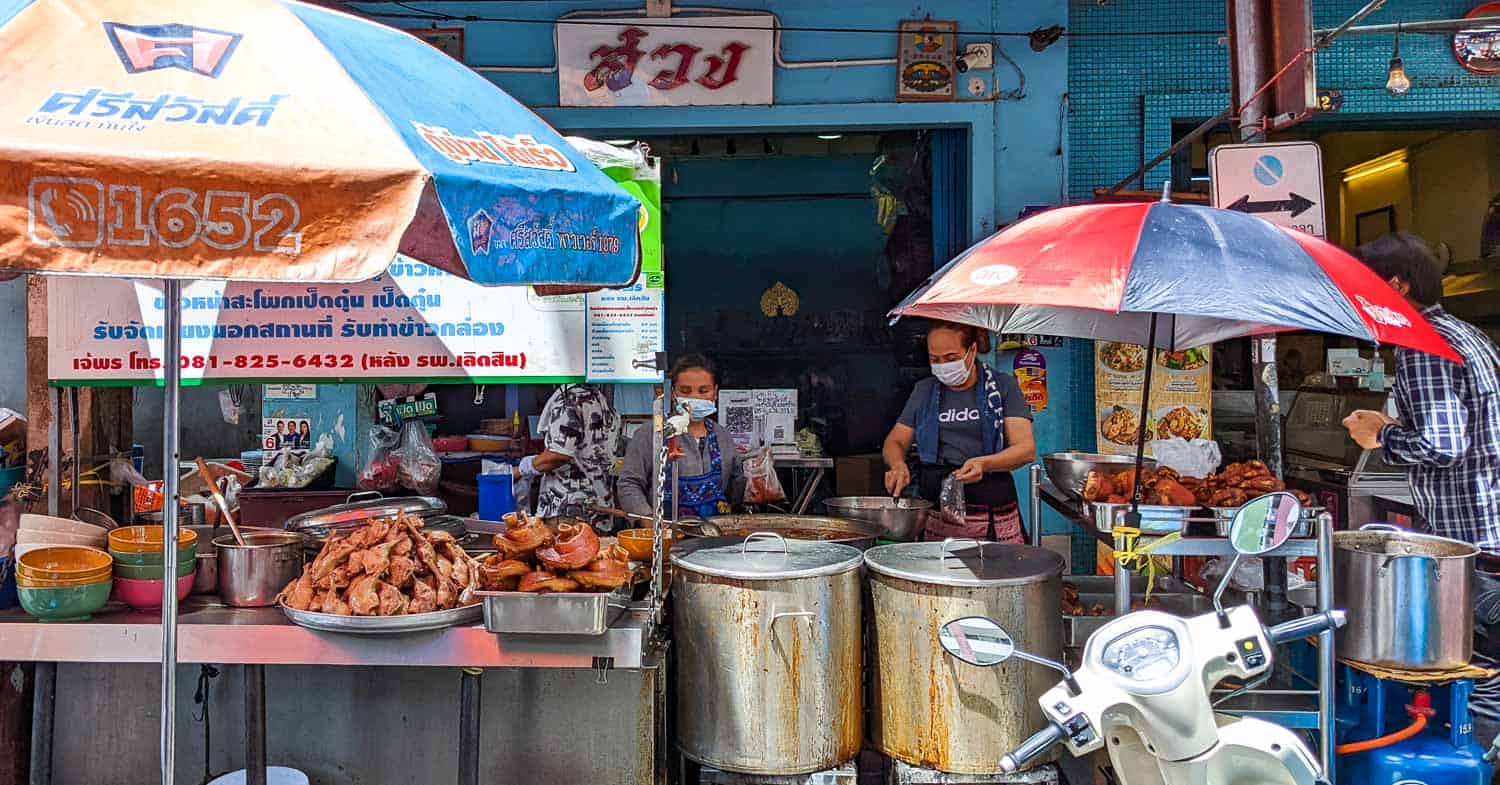
Local Thai Food Is Extremely Affordable
One of Thailand’s biggest advantages is the availability of cheap local meals.
In many areas, meals such as:
- pad thai
- fried rice
- basil chicken rice
- noodle soup
- Thai curries
can often cost between:
- ฿50–120
which is usually around:
- £1–£3
This makes eating out in Thailand far more affordable compared to the UK.
In fact, many expats discover that eating local food regularly is often cheaper than cooking at home.
Supermarket Prices in Thailand
Thailand has a mixture of:
- local supermarkets
- premium supermarkets
- convenience stores
- fresh markets
Local products are usually very affordable.
However, imported Western products can become surprisingly expensive.
Items such as:
- imported cheese
- cereal
- wine
- protein products
- British snacks
can cost significantly more than expected.
This is one reason many people accidentally overspend during their first few months living in Thailand.
Is Eating Out Cheaper Than Cooking?
In many situations:
yes.
Because Thai street food and local restaurants are so affordable, many people eat out regularly instead of cooking.
Cooking becomes more cost-effective mainly when:
- cooking for families
- buying local ingredients
- avoiding imported products
For solo expats or remote workers, local restaurants are often the cheaper and easier option.
Food Delivery Apps in Thailand
Apps such as:
- Grab
- Foodpanda
- Line Man
are extremely popular.
Food delivery is usually cheaper than the UK, but frequent ordering still increases monthly costs quickly.
Many expats use food delivery heavily during their first few months before settling into cheaper routines.
Bangkok vs Chiang Mai Food Costs
Bangkok is generally more expensive than Chiang Mai when it comes to:
- cafés
- restaurants
- premium supermarkets
- nightlife food spending
Chiang Mai often offers:
- lower café prices
- cheaper local meals
- smaller overall monthly food budgets
This is one reason Chiang Mai remains popular with remote workers and budget-conscious expats.
Final Thoughts
Thailand still offers excellent food value compared to the UK, particularly for people willing to embrace local meals and markets.
For many expats, one of the biggest lifestyle upgrades is being able to eat out regularly without spending huge amounts of money.
However, imported products and Western habits can quickly increase monthly costs.
Understanding your own eating habits before moving to Thailand is one of the best ways to build a realistic monthly budget.